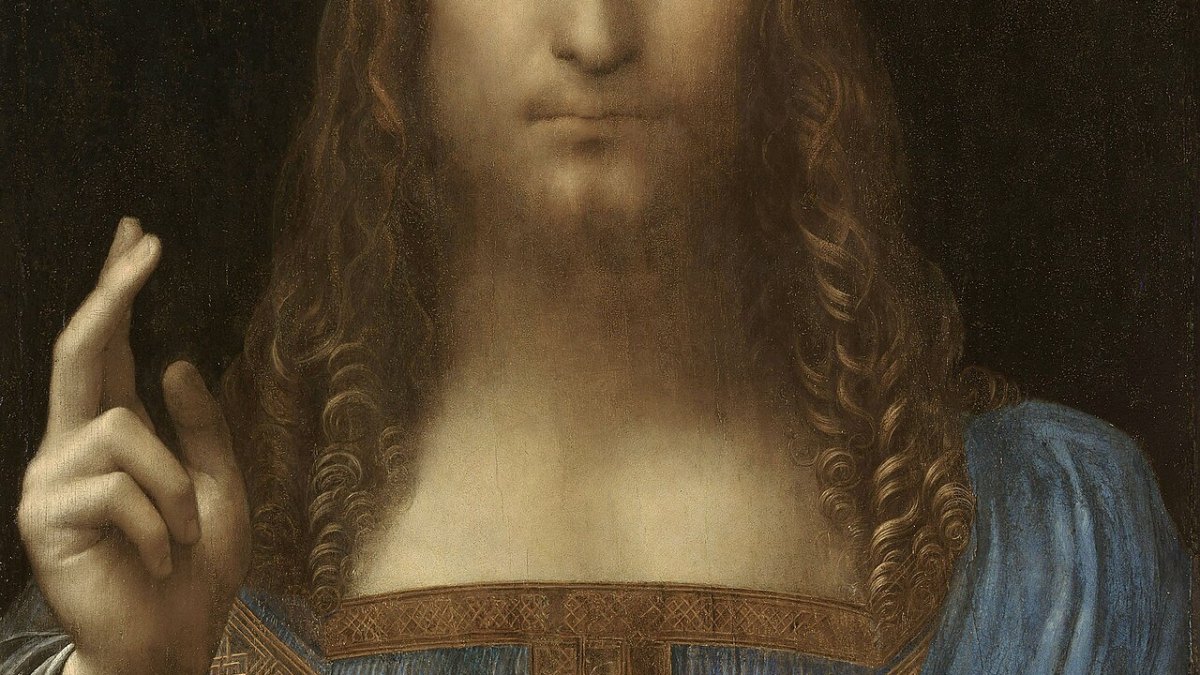
In November 2017, the art world witnessed a historic event when Leonardo da Vinci's painting 'Salvator Mundi' was sold for an astonishing $450.3 million at a Christie's auction in New York. This sale shattered previous records and positioned the artwork as the most expensive painting ever sold at auction. The painting, depicting Christ as 'Savior of the World', was one of fewer than 20 known works by da Vinci, making it an exceptionally rare piece. The identity of the buyer was initially kept anonymous, but it was later revealed to be a Saudi prince, further adding intrigue to the story.
The Auction That Made History
The auction took place on November 15, 2017, drawing intense attention from collectors and art enthusiasts worldwide. Christie's had estimated the painting's value at approximately $100 million, but as the bidding war intensified, it became clear that expectations would be exceeded. The auction lasted 19 minutes, with bidders competing via phone and in the room. The final bid, placed by Prince Badr bin Abdullah bin Mohammed bin Farhan Al Saud on behalf of the Saudi Crown Prince Mohammed bin Salman, set a new world record, surpassing the previous record of $179.4 million for Picasso’s 'Les Femmes d'Alger' in 2015.
Controversies and Restoration
'Salvator Mundi' has been shrouded in controversy since its rediscovery. Originally sold for just $60 in 1958, it had been attributed to a follower of Leonardo da Vinci. However, after extensive restoration and authentication efforts by art experts, it was reattributed to da Vinci himself. The painting underwent significant restoration, particularly to Christ's face and hair, which some critics argue altered its authenticity. Despite these controversies, the painting's sale reflects its perceived value and importance in the art world, heightening debates about restoration practices and the art market's dynamics.
Significance of the Sale
The sale of 'Salvator Mundi' not only set a financial record but also sparked discussions about the globalization of the art market. The acquisition by a Saudi prince marked a shift in the art world's power dynamics, highlighting the growing influence of Middle Eastern collectors. Furthermore, this sale underscores the increasing commodification of art, where works are not only appreciated for their aesthetic and historical value but also as financial assets. The painting was later reported to be part of the collection at the Louvre Abu Dhabi, aligning with the museum's mission to bridge cultural gaps through art.
The sale of Leonardo da Vinci's 'Salvator Mundi' at Christie's for $450 million is a landmark moment in art history, reflecting the enduring appeal and market value of Renaissance masterpieces. While the painting's future remains a topic of speculation, with discussions about its exhibition and ownership continuing, its record-breaking sale has undeniably left an indelible mark on the world of art auctions.
- 'Salvator Mundi' was last publicly seen at the Louvre Abu Dhabi.
- The painting was rediscovered in 2005 and authenticated in 2007.
- Its previous record auction price was $127.5 million for Edvard Munch's 'The Scream'.
- The auction attracted global attention, including from celebrity art collectors.
- The painting's provenance includes King Charles I of England in the 17th century.
💬 Discussion (0)
Leave a Comment