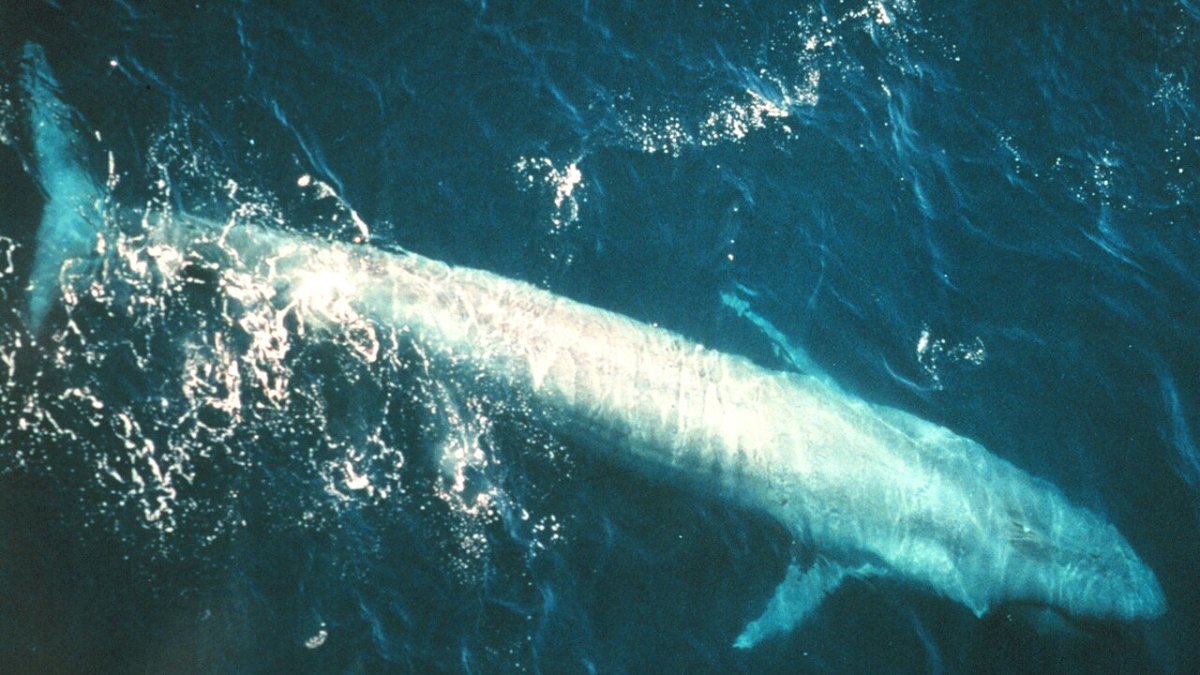
In the vast expanse of the ocean, the blue whale, the largest animal on Earth, embarks on an incredible migration spanning over 8,000 kilometers every year. This remarkable journey is one of the longest migrations known in the animal kingdom. Starting from the cold, nutrient-rich waters of the Antarctic, these majestic creatures travel to the warmer breeding grounds in the tropics. Their migration not only highlights their endurance but also underscores the challenges faced by these marine giants. Recent studies have tracked these movements, shedding light on their complex migratory patterns and the importance of conserving their habitats.
The Journey Begins: From Antarctica to the Tropics
Blue whales start their long migration in the icy waters surrounding Antarctica, where they feast on krill during the summer months. These nutrient-rich feeding grounds are crucial for building the energy reserves needed for their journey. As the months progress and the Antarctic winter begins, these giants move northward towards warmer waters. The migration typically spans from May to November, covering vast stretches of the Pacific and Indian Oceans. This journey can take several months, with whales traveling at speeds of up to 30 kilometers per hour. The routes are not random; they follow specific pathways that have been used for generations.
The Significance of Migration Routes
The migration routes of blue whales are not just significant for their survival but also for the ecological balance of marine environments. These routes often coincide with major ocean currents and upwelling zones, which are rich in biodiversity. By traveling along these paths, blue whales play a crucial role in nutrient cycling and the marine food web. Scientists have used satellite tracking to monitor these routes, discovering that some populations travel as far as 8,000 kilometers to reach their breeding grounds. These migrations are essential for mating and calving, ensuring the continuation of their species.
- Blue whales can cover distances of up to 200 kilometers in a single day.
- Their migratory paths are influenced by environmental factors like sea temperature and food availability.
- Conservation efforts are focused on protecting these critical migration routes from human activities.
Challenges and Conservation Efforts
The blue whales' long migration subjects them to numerous threats, both natural and man-made. Climate change, ocean noise pollution, and ship strikes are significant hazards that can disrupt their migration patterns. The warming of ocean waters affects the availability of krill, their primary food source, which could impact their energy reserves for the journey. Conservation organizations are actively working to mitigate these threats by advocating for shipping lane adjustments and marine protected areas. The International Whaling Commission, along with other bodies, is focused on ensuring that these magnificent creatures continue to thrive in their natural habitats.
In conclusion, the blue whales' epic 8,000-kilometer migration is a testament to their resilience and the interconnectedness of ocean ecosystems. These journeys, while awe-inspiring, also serve as a reminder of the delicate balance required to preserve these marine giants and their habitats. Ongoing research and conservation efforts are vital to safeguarding their future, ensuring that future generations can continue to witness the majesty of these oceanic voyages.
💬 Discussion (0)
Leave a Comment