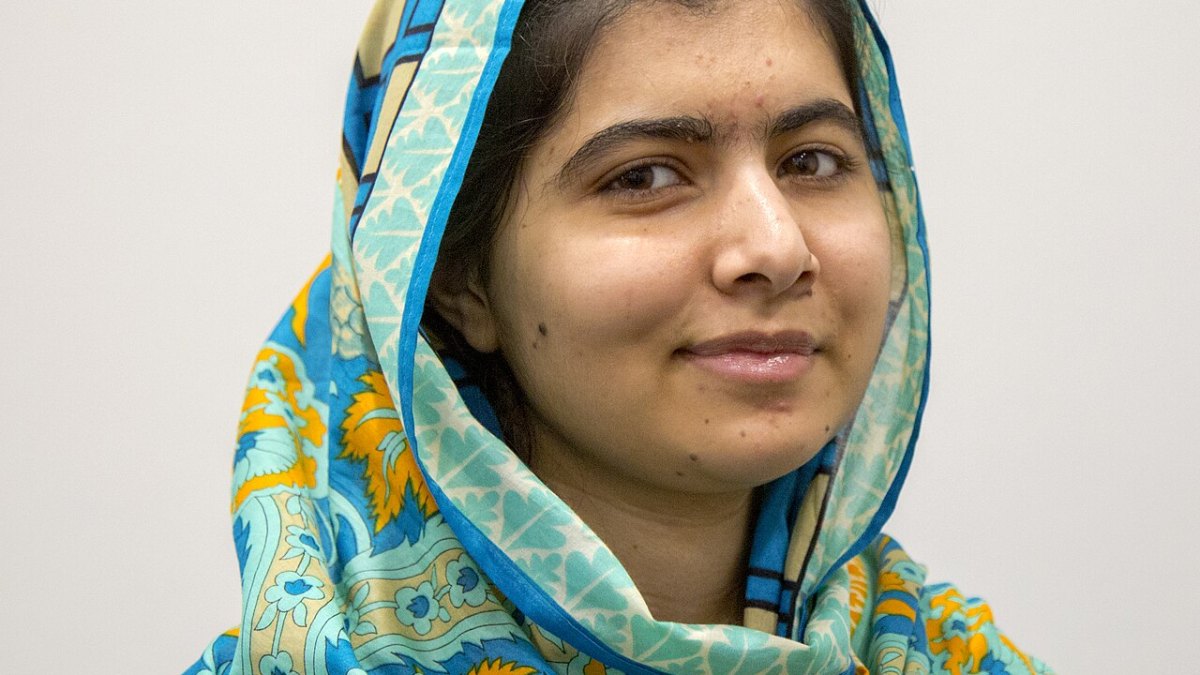
In 2014, a remarkable milestone was achieved when Malala Yousafzai was awarded the Nobel Peace Prize at the tender age of 17. This accolade made her the youngest recipient in the prize's storied history. Her unwavering commitment to advocating for girls' education in the face of adversity has left an indelible impact on the world.
Early Life and Challenges
Malala was born on July 12, 1997, in Mingora, a town located in the Swat District of Pakistan's Khyber Pakhtunkhwa province. From an early age, she was exposed to the importance of education through her father, Ziauddin Yousafzai, an educator and advocate for women's rights. However, the rise of the Taliban in the region in 2007 posed severe threats to girls' education.
The Taliban imposed strict bans on female education, and Malala, only 11 years old at the time, began speaking out publicly about the right of girls to learn. In 2009, she started writing a blog under a pseudonym for the BBC Urdu, detailing life under Taliban rule and her desire to continue her education despite the mounting threats.
The Attack and Aftermath
On October 9, 2012, Malala's life took a dramatic turn when she was shot in the head by a Taliban gunman while on a bus returning home from school. The attack was an attempt to silence her voice, but it instead amplified her message globally. Following the attack, she was flown to the United Kingdom for extensive medical treatment, which she underwent in Birmingham.
Her recovery and determination to continue her advocacy work turned her into a global symbol of peaceful protest and the fight for girls' education. She co-authored the memoir "I Am Malala," which became an international bestseller and further cemented her role as an advocate for educational rights.
Winning the Nobel Peace Prize
In October 2014, Malala was jointly awarded the Nobel Peace Prize with Kailash Satyarthi, an Indian children's rights activist. The Nobel Committee recognized their "struggle against the suppression of children and young people and for the right of all children to education." Malala's acceptance speech highlighted her belief that education is a powerful tool for change and her continued commitment to ensuring that every child, regardless of gender, has access to it.
Legacy and Continuing Advocacy
Malala's activism did not cease with receiving the Nobel Prize. She established the Malala Fund, an organization dedicated to advocating for girls' education worldwide. The fund supports education projects in various countries, including Pakistan, Nigeria, and Syria, where girls face significant barriers to education.
As of today, Malala continues to inspire millions with her relentless pursuit of education equality. Her journey from a small town in Pakistan to becoming a global icon illustrates the power of resilience and the impact that one voice can have in creating significant social change.
💬 Discussion (0)
Leave a Comment