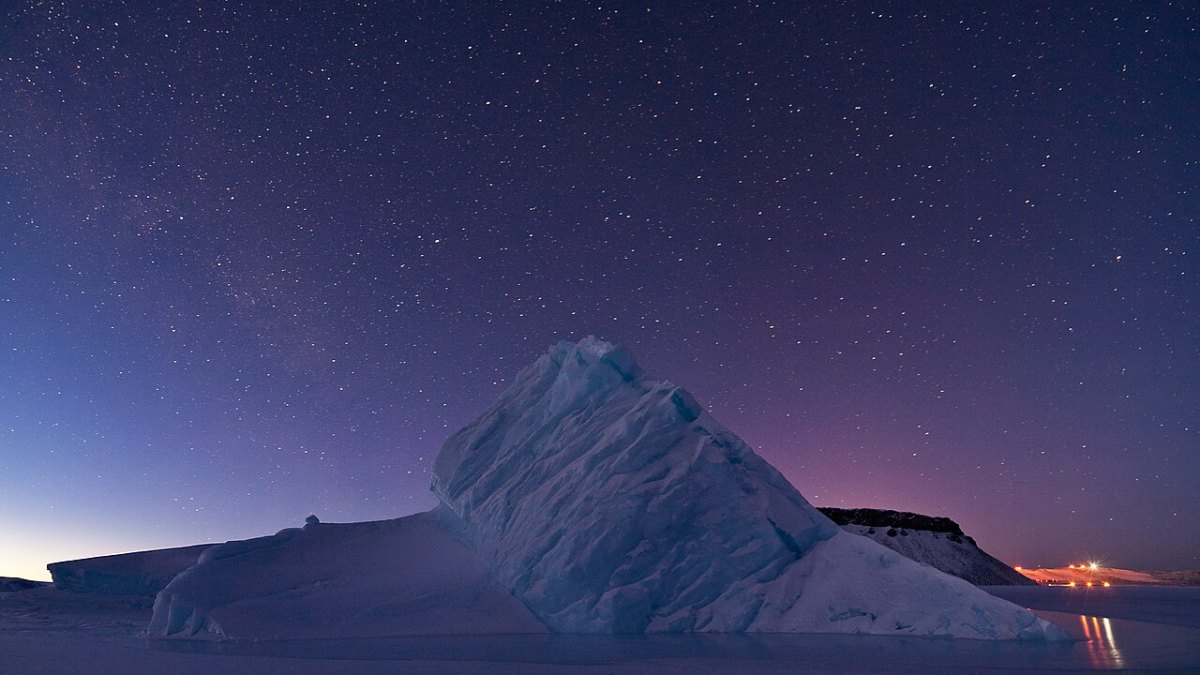
The Greenland ice sheet, one of the largest ice masses in the world, is currently losing ice at an unprecedented rate of 10 gigatons annually. This massive ice loss is a major contributor to global sea level rise, posing a significant threat to coastal communities and ecosystems worldwide.
Understanding the Scale of Ice Loss
To put the scale of this loss into perspective, 10 gigatons of ice is equivalent to about 10 billion metric tons. This staggering amount of water being released into the oceans each year is accelerating sea level rise, which has been measured at an average increase of about 3.3 millimeters per year over the past decade, according to the National Oceanic and Atmospheric Administration (NOAA).
Research led by scientists from the University of Leeds and published in the journal Nature has documented these alarming trends. The study utilized satellite data from the European Space Agency's CryoSat-2 satellite to monitor changes in the ice sheet's volume and mass.
Implications for Global Sea Levels
The continuous melting of the Greenland ice sheet has significant implications for global sea levels. The Intergovernmental Panel on Climate Change (IPCC) warns that if current trends continue, global sea levels could rise by more than 60 centimeters by the end of the century. This rise would result in increased flooding, erosion, and habitat loss for millions of people living in coastal areas.
Furthermore, sea level rise exacerbates storm surges and extreme weather events, leading to more frequent and severe flooding. The economic and social costs of adapting to these changes could be substantial, especially for developing nations with limited resources.
Driving Factors Behind Ice Loss
Multiple factors are driving the accelerated melting of the Greenland ice sheet. Rising global temperatures due to increased greenhouse gas emissions are a primary cause. As the atmosphere warms, it leads to higher surface temperatures on the ice sheet, enhancing melting. Additionally, ocean currents are bringing warmer water to the ice sheet's edges, further accelerating the process.
Another factor is the albedo effect, where the loss of reflective ice surfaces leads to increased absorption of sunlight, causing further warming and melting. This feedback loop poses a severe challenge to combating climate change.
Urgent Need for Climate Action
The rapid melting of Greenland's ice sheet underscores the urgent need for comprehensive climate action. Reducing greenhouse gas emissions, transitioning to renewable energy sources, and enhancing climate resilience are critical steps in addressing this crisis. International cooperation and commitment to achieving the goals of the Paris Agreement are essential to mitigating the impacts of climate change.
As scientists continue to monitor the situation closely, it is clear that immediate and sustained efforts are necessary to slow down the rate of ice loss and protect vulnerable communities from the consequences of rising sea levels.
💬 Discussion (0)
Leave a Comment