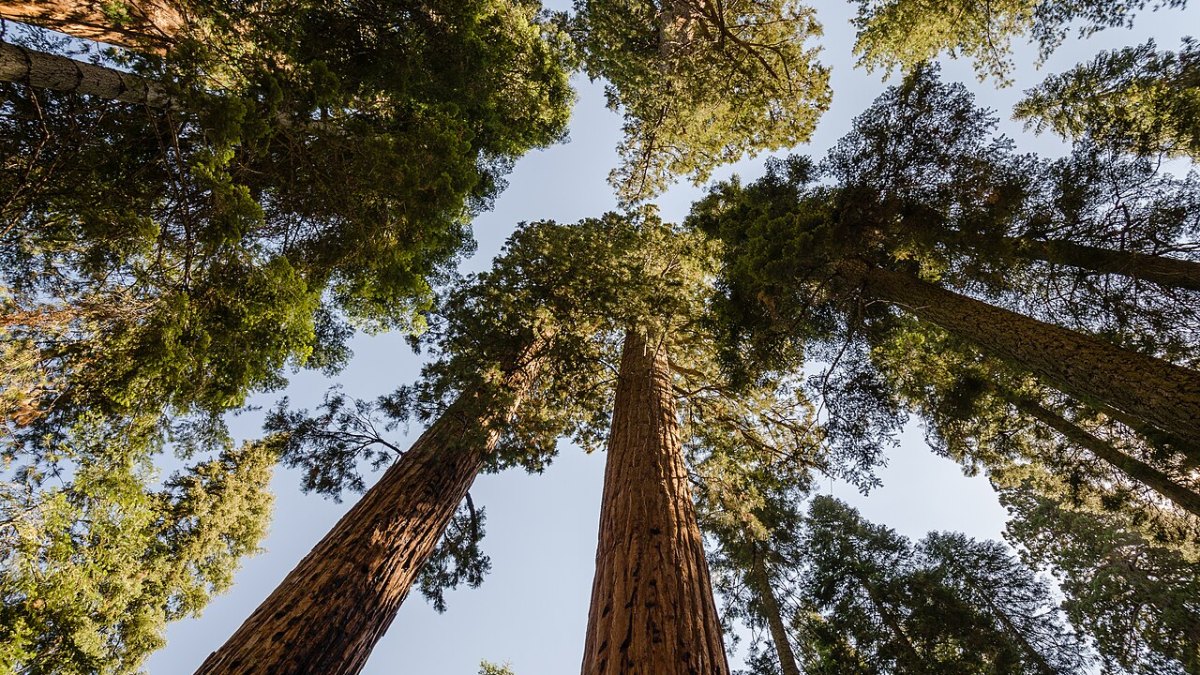
In the heart of California's Redwood National Park stands the Hyperion tree, a natural marvel that has claimed the title of the tallest tree in the world. Measuring an incredible 311 feet, this coast redwood (Sequoia sempervirens) towers above its surroundings, casting long shadows over the forest below. Discovered in August 2006 by naturalists Chris Atkins and Michael Taylor, Hyperion dwarfs the surrounding trees, offering a glimpse into the grandeur and scale of one of nature’s most majestic creations. The tree's precise location remains undisclosed to protect it from foot traffic and potential damage, ensuring it remains a pristine symbol of natural history.
The Discovery of Hyperion
The discovery of Hyperion was a momentous event for dendrologists and nature enthusiasts alike. Chris Atkins and Michael Taylor stumbled upon this giant during an expedition aimed at cataloging the tallest trees in the redwood forests. Equipped with laser rangefinders and GPS devices, they meticulously measured the tree’s height, confirming it as the tallest known tree on the planet. At 311 feet, Hyperion narrowly surpassed the previous record-holder, Stratosphere Giant, by only 10 feet. This discovery not only highlighted the incredible biodiversity within the redwood forests but also ignited a renewed interest in the preservation of ancient trees and their ecosystems.
The Biology of Giants
The Hyperion tree, like other coast redwoods, owes its towering height to a combination of genetic factors and environmental conditions. These ancient trees have evolved over millions of years, developing thick bark that protects them from fires and pests. Their unique ability to absorb fog through their leaves allows them to thrive in the damp, foggy conditions of Northern California. Redwoods can live for over 2,000 years, and their growth is supported by the rich, well-drained soils found in their native habitat. The discovery of Hyperion has prompted further research into the genetic makeup of these trees, offering insights into how they achieve such remarkable heights and longevity.
Conservation Efforts and Challenges
Protecting the Hyperion tree and its fellow giants is a priority for conservationists. The Redwood National and State Parks, which span over 139,000 acres, are home to nearly half of the world's remaining old-growth redwoods. These trees face threats from climate change, logging, and human interference. Efforts to safeguard these giants include strict regulations on logging, habitat restoration projects, and public education programs to raise awareness about the importance of preserving these natural wonders. However, challenges remain, such as combating illegal poaching of redwood burl, which threatens the health and integrity of these ancient trees.
As we marvel at the towering presence of Hyperion, it serves as a reminder of nature's incredible capability for growth and endurance. The ongoing efforts to protect these magnificent trees ensure that future generations can continue to witness their grandeur. The Hyperion tree stands not just as a record-breaking giant, but as a symbol of the vital importance of conservation in preserving the Earth's natural heritage.
- The Hyperion tree was discovered in August 2006.
- It stands at a height of 311 feet, making it the tallest tree in the world.
- Hyperion surpasses the previous record-holder, the Stratosphere Giant, by 10 feet.
- The exact location of Hyperion is undisclosed to protect it from damage.
- Redwoods can live for more than 2,000 years, thriving in foggy, moist conditions.
💬 Discussion (0)
Leave a Comment