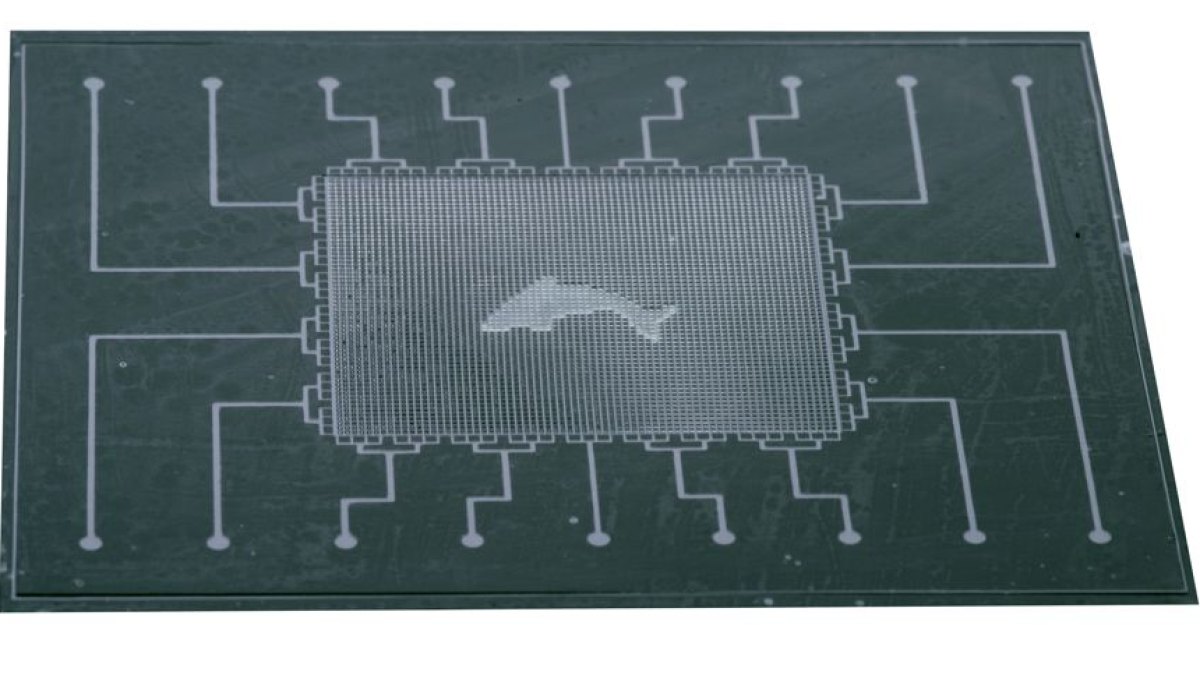
In a remarkable leap for robotics and prosthetics, engineers have developed an artificial skin capable of sensing touch in as little as 45 milliseconds. This rapid response time is comparable to the human sense of touch, which allows for almost instantaneous reactions. The technology promises significant advancements in the fields of healthcare and robotics, providing a more natural and responsive interaction for prosthetics users and robotic systems. By mimicking the human tactile experience, this innovation could drastically improve the dexterity and functionality of artificial limbs and enhance human-machine interfaces.
Development and Technology
The artificial skin is the result of collaborative efforts among engineers and researchers from several institutions, including Stanford University and the University of Tokyo. The key to the technology lies in its ultra-sensitive sensors that detect pressure changes and transmit signals at high speeds. These sensors use a thin, flexible material embedded with microstructures that mimic human skin's complex sensor network. In tests, the artificial skin achieved a signal transmission speed of 45 milliseconds, making it one of the fastest tactile sensors developed to date. This development was reported by Wired in October 2023, highlighting its potential impact on future tech innovations.
Applications in Prosthetics
The implications of this technology for prosthetics are profound. Traditional prosthetic limbs often lack the ability to provide real-time sensory feedback, which is crucial for users to perform delicate tasks. With the introduction of this artificial skin, prosthetic limbs can now offer enhanced tactile feedback, allowing users to experience a more natural sensation of touch. This advancement could significantly improve the quality of life for amputees, enabling them to handle objects of varying textures and weights with greater precision. Moreover, this technology can be integrated into existing prosthetic designs, making it a versatile solution for many users worldwide.
Impact on Robotics
Beyond prosthetics, the artificial skin holds substantial promise for the field of robotics. Robots equipped with this skin could achieve more nuanced interactions with their environments, enhancing their ability to navigate and manipulate objects. This capability is particularly valuable in industries such as manufacturing, where precision and adaptability are essential. Additionally, service robots in healthcare settings could use this technology to provide gentler and more effective care to patients. The rapid response time of the artificial skin ensures that robots can adjust their grip and force in real-time, preventing damage to both objects and individuals.
- The artificial skin was developed by a team from Stanford University and the University of Tokyo.
- Signal transmission speed of the artificial skin is recorded at 45 milliseconds.
- This technology could revolutionize prosthetics by providing real-time sensory feedback.
- Robots with artificial skin can enhance precision in object manipulation.
- Published by Wired in October 2023, the development marks a significant technological milestone.
The introduction of artificial skin that senses touch in just 45 milliseconds marks a significant milestone in the intersection of technology and biology. As engineers continue to refine and expand upon this innovation, the potential applications are vast, from improving prosthetic limbs to enhancing the capabilities of robotic systems. This breakthrough not only brings us closer to more human-like machines but also opens up new possibilities for improving the quality of life for many individuals worldwide. The future of touch-sensitive technology is not just promising but transformative.
💬 Discussion (0)
Leave a Comment