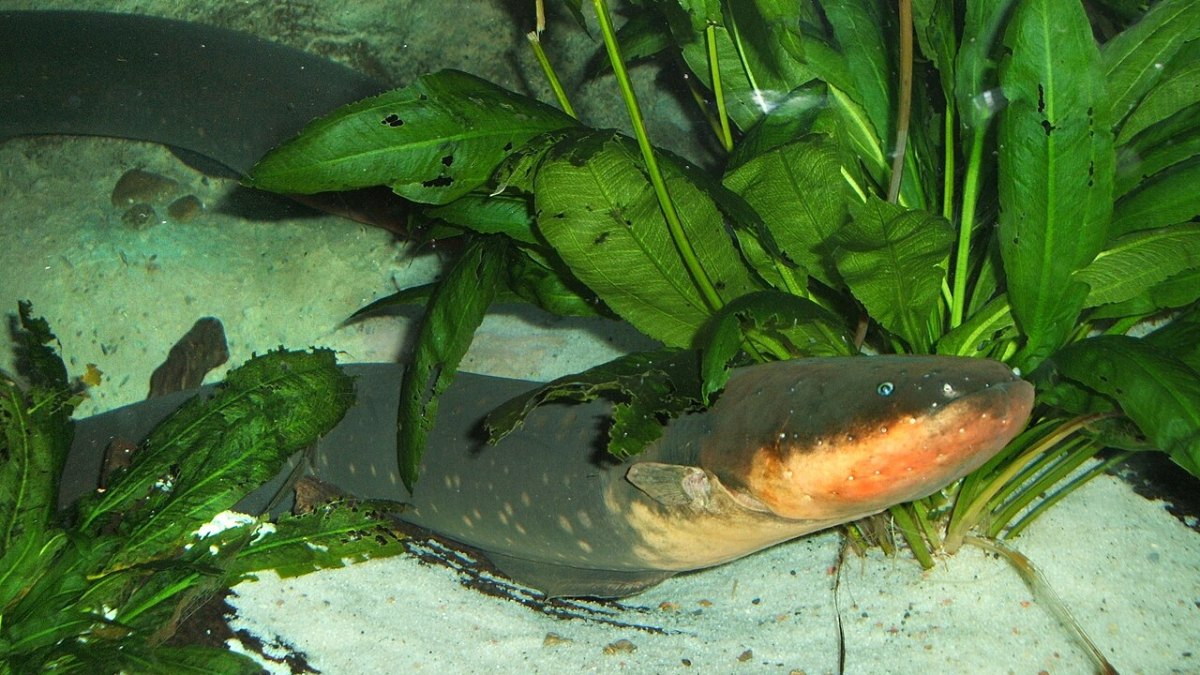
Electric eels, specifically Electrophorus voltai, can deliver a jolt of up to 860 volts, making them one of the most electrifying animals in the world. This incredible ability has caught the attention of scientists across multiple disciplines, from evolutionary biology to renewable energy. In 2023, researchers at the Smithsonian Institution and the University of Sao Paulo identified the eel's unique capability to produce such high voltages, which surpasses the previous record of 650 volts held by other electric eel species. This discovery not only provides insights into the evolution of electric fish but also opens new avenues for sustainable energy applications.
The Biology Behind the Shock
The electric eel's capacity to generate high voltage lies in its specialized electrocytes, which are derived from muscle cells. These electrocytes are arranged in series, much like batteries in a flashlight, allowing the cumulative voltage to reach levels of up to 860 volts. As each electrocyte discharges, it contributes approximately 0.15 volts, but when thousands are activated simultaneously, the combined effect is a powerful electrical charge. This ability is primarily used for hunting and self-defense, allowing the eel to stun prey and deter predators. According to a 2023 study published in Nature, the evolutionary adaptation of these electrocytes is a result of millions of years of natural selection, optimizing the eel's survival mechanisms in the murky waters of the Amazon and Orinoco rivers.
Implications for Renewable Energy
The electric eel's natural ability to produce electricity has inspired researchers to explore its potential applications in renewable energy. Scientists are investigating bio-mimetic systems that could replicate the eel's electrocyte arrangement to generate sustainable power. The idea is to use similar mechanisms to create bio-batteries that could power small electronic devices or even medical implants. In 2023, a team at the University of Michigan developed a prototype that mimics the eel's electrical system, demonstrating the feasibility of this concept. Although still in its nascent stages, this technology could revolutionize how we approach energy generation in environments where conventional power sources are impractical.
Conservation and Future Research
As fascinating as they are, electric eels face several threats in their natural habitat. Deforestation, pollution, and climate change are altering the ecosystems of the Amazon and Orinoco rivers, impacting eel populations. Conservation efforts are crucial to ensure the survival of these extraordinary creatures, whose unique biological traits offer valuable insights into both science and technology. Future research is set to focus on understanding the genetic basis of the eel's electrical capabilities, which could further enhance bioengineering applications. Collaborations between institutions such as the World Wildlife Fund and local governments aim to implement strategies to protect the eel's habitat while continuing to study its remarkable abilities.
The electric eel's ability to produce up to 860 volts is not just a fascinating biological quirk, but a window into broader scientific and technological possibilities. As researchers continue to uncover the mechanisms behind this power, the potential applications span from bio-inspired energy solutions to new conservation strategies. Understanding and preserving these unique creatures is not only vital for biodiversity but also for future innovations that could benefit society in myriad ways.
- Electric eels can generate up to 860 volts, more than any other known animal.
- Electrocytes in electric eels function similarly to batteries, discharging in series.
- Bio-mimetic systems inspired by eels could lead to new, sustainable energy sources.
- Conservation efforts are crucial for protecting electric eel habitats from threats.
- Research continues into the genetic basis of the eel's electrical generation abilities.
💬 Discussion (0)
Leave a Comment