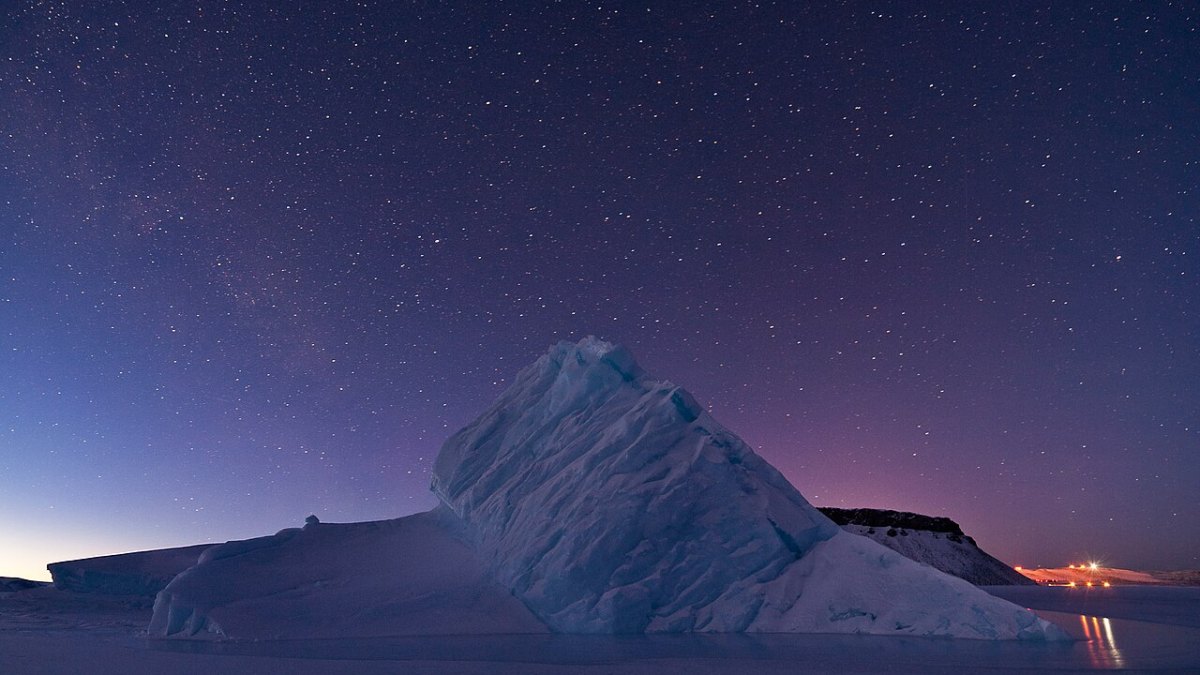
On July 28, 2023, the Greenland Ice Sheet experienced an extraordinary loss of 9 gigatons of ice in just 24 hours. To put this into perspective, this volume of melted ice is equivalent to approximately 3.6 million Olympic-sized swimming pools. Such an event is a stark indicator of the accelerating impacts of climate change, raising alarms among scientists and environmentalists worldwide. This massive ice loss contributes directly to rising sea levels, which pose significant threats to coastal communities around the globe. The data was collected by the Danish Meteorological Institute, which has been closely monitoring the ice sheet's fluctuations.
Understanding the Greenland Ice Sheet
The Greenland Ice Sheet is the second largest ice body in the world, covering roughly 1.7 million square kilometers. It contains enough ice to raise global sea levels by over 7 meters if fully melted. Historically, the ice sheet undergoes seasonal melting and freezing cycles, but recent years have seen unprecedented rates of ice loss. According to NASA, since the late 1990s, Greenland has been losing an average of 286 gigatons of ice per year. The record-breaking melt on July 28 is part of a troubling trend driven by rising global temperatures and changing climate patterns. Researchers warn that continued ice loss of this magnitude could have irreversible effects on Earth's climate systems.
Impact on Global Sea Levels
The immediate consequence of ice loss from the Greenland Ice Sheet is the contribution to rising sea levels, which is a critical concern for low-lying coastal regions. According to the National Oceanic and Atmospheric Administration (NOAA), global sea levels have risen by approximately 8 to 9 inches since 1880, with about a third of that rise occurring in the last two and a half decades. The recent 9-gigaton loss translates to an increase in sea level by about 0.02 millimeters. While seemingly small, such increments add up over time, exacerbating the risk of flooding, erosion, and storm surges in coastal areas. The Intergovernmental Panel on Climate Change (IPCC) has warned that without significant reductions in greenhouse gas emissions, sea levels could rise by more than one meter by 2100.
Global Response and Mitigation Efforts
In response to the alarming trends in Greenland, international efforts are increasingly focused on climate change mitigation and adaptation strategies. The Paris Agreement, adopted in 2015, aims to limit global warming to well below 2°C above pre-industrial levels. However, recent analyses indicate that current national commitments are insufficient to meet these targets. Scientists emphasize the importance of reducing carbon emissions, transitioning to renewable energy sources, and enhancing natural carbon sinks, such as forests. Additionally, technological innovations like carbon capture and storage are being explored to curb atmospheric CO2 levels. Global cooperation and policy interventions are crucial to slowing the rate of ice loss and mitigating the broader impacts of climate change.
The unprecedented melt of the Greenland Ice Sheet on July 28 serves as a clarion call for immediate action. As scientists continue to monitor and study these events, it is clear that the stakes are high. The decisions made today will shape the future of our planet and its inhabitants, highlighting the urgent need for comprehensive and coordinated climate action worldwide.
- Greenland's ice loss contributes significantly to global sea level rise.
- The July 28 melt event was monitored by the Danish Meteorological Institute.
- Global efforts are underway to address climate change impacts.
💬 Discussion (0)
Leave a Comment