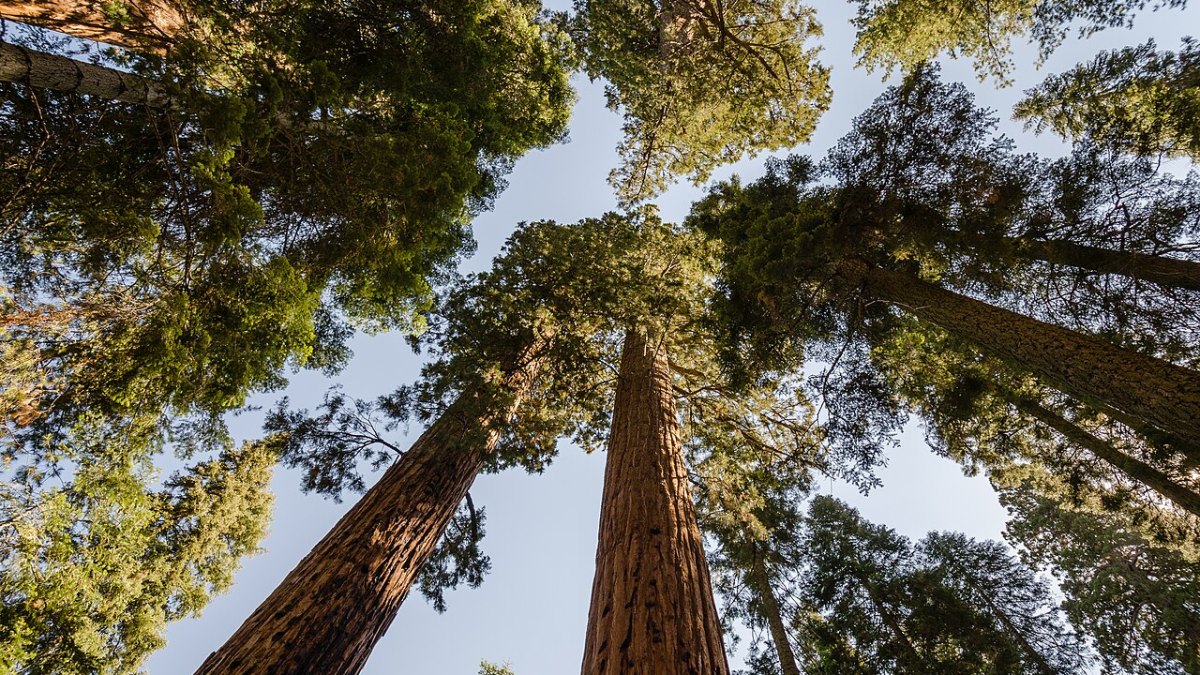
Giant sequoia trees, some of the most impressive living organisms on Earth, have the remarkable ability to create their own rain. Through a process called transpiration, these colossal trees can release over 40 gallons of water into the atmosphere daily. This moisture, once evaporated, contributes to localized precipitation events, effectively creating a microclimate around them. These trees, which can live for over 3,000 years, are not just passive giants; they actively shape their environment, supporting a diverse range of flora and fauna. Their ability to influence local weather patterns highlights their significant ecological role.
The Science Behind the Sequoia's Rain-Making Ability
Transpiration is the process through which plants release water vapor from their leaves into the atmosphere. In giant sequoias, this process is amplified due to their immense size and the vast surface area of their foliage. An average sequoia can transpire up to 40 gallons of water per day, according to research published in 2023 by the University of California, Berkeley. This moisture forms clouds above the trees, sometimes resulting in rain. The combination of their size and the quantity of water they release plays a crucial role in their ability to create localized rain events, a process that is essential for maintaining their lush habitats.
The Ecological Impact of Sequoia-Induced Rain
The rain generated by giant sequoias has profound ecological implications. By creating a humid microclimate, they provide a consistent source of moisture for the surrounding ecosystem, which includes numerous species of plants and animals that rely on stable humidity levels to thrive. The rain also helps in replenishing the soil with vital nutrients and maintaining the delicate balance necessary for the survival of understory vegetation. As a result, sequoias are key components of biodiversity in their native regions, particularly in the Sierra Nevada mountain range, where they are primarily found.
Challenges Facing Giant Sequoias and Their Rain-Making Ability
Despite their resilience, giant sequoias face several modern challenges that threaten their rain-making capabilities. Climate change is a significant factor, causing increased temperatures and altered precipitation patterns that can impact transpiration rates. Furthermore, wildfires, which have become more frequent and intense, can damage or destroy these ancient trees, disrupting the microclimates they help sustain. Conservation efforts are underway to protect these natural wonders. The Giant Sequoia National Monument, established in 2000, is one such initiative aimed at preserving these trees and their unique ecological contributions.
The majestic giant sequoias are more than just ancient trees; they are vital architects of their ecosystems. By producing their own rain, they support not only themselves but a myriad of life forms around them. As environmental changes continue to challenge their existence, understanding and preserving their unique abilities becomes increasingly important. With ongoing conservation efforts, there is hope that future generations will continue to witness these natural rainmakers in action.
- Giant sequoias can release over 40 gallons of water daily through transpiration.
- They create microclimates, essential for local biodiversity in their native habitats.
- Climate change and wildfires pose significant threats to their survival.
- Conservation efforts like the Giant Sequoia National Monument are crucial for their protection.
💬 Discussion (0)
Leave a Comment