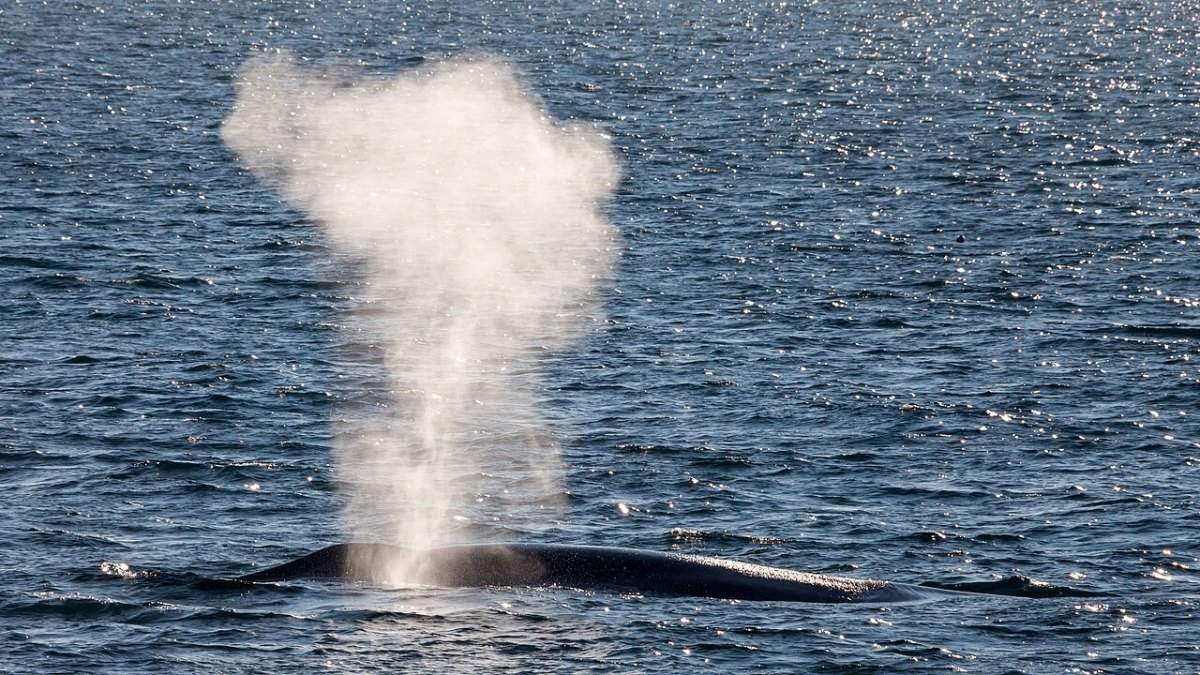
Imagine a heart the size of a small car, beating just twice per minute. This is the reality for the blue whale, the largest animal on Earth, when it dives into the ocean depths. Researchers have recently observed that the blue whale's heart rate can significantly drop during deep dives, reaching as low as two beats per minute. This extraordinary physiological adaptation allows the whale to conserve oxygen while foraging at depths of up to 1,000 feet. The heart rate of the blue whale, which can weigh as much as 200 tons and grow up to 100 feet long, returns to a normal rate of about 25 to 37 beats per minute once it resurfaces. This discovery sheds new light on the extreme biological capabilities of these majestic creatures.
Understanding the Dive
The blue whale's diving behavior is a marvel of nature. During a typical dive, which can last between 10 to 20 minutes, the heart rate drops dramatically to conserve oxygen. This physiological response is critical as the whale searches for krill, their primary food source. The extreme bradycardia, or slow heart rate, is facilitated by the whale's massive heart, which can weigh as much as 400 pounds. Researchers from Stanford University used a specialized suction cup sensor to measure these heart rates in the wild. The device recorded data from a blue whale off the coast of California, providing unprecedented insight into how these creatures manage to sustain such low heart rates without succumbing to hypoxia, a condition caused by insufficient oxygen.
Physiological Adaptations
The ability of the blue whale to slow its heart rate to such minimal levels is supported by several unique physiological adaptations. Their large arteries and veins, for instance, allow for the storage of large volumes of oxygen-rich blood, which is gradually released to vital organs during dives. Additionally, their muscles contain high concentrations of myoglobin, a protein that binds oxygen, providing a reservoir that helps sustain them during long dives. These adaptations are essential for the blue whale's survival in the ocean’s depths, where pressure increases and temperatures drop. The heart's efficiency is also enhanced by its ability to change in size, expanding and contracting to accommodate varying blood flow, which ensures that the whale can balance its oxygen supply and maintain energy levels.
Implications for Conservation
This understanding of the blue whale's heart rate and diving physiology has significant implications for conservation efforts. By learning more about how these whales manage their deep-sea excursions, scientists can better understand the impacts of human activities such as shipping, fishing, and climate change. Noise pollution, for instance, may interfere with their ability to dive effectively or to communicate with one another. These insights are crucial as the blue whale population remains endangered, with an estimated 10,000 to 25,000 individuals left in the world. Protecting their habitat and ensuring they can continue to perform these remarkable dives without interference is vital for their survival.
- Blue whales are the largest animals on Earth, reaching up to 100 feet in length.
- The heart of a blue whale can weigh up to 400 pounds and is the size of a small car.
- Blue whales can dive to depths of 1,000 feet while reducing their heart rate to as low as two beats per minute.
- Specialized sensors have allowed researchers to record heart rates in wild blue whales for the first time.
- Understanding these physiological adaptations aids in conservation efforts for these endangered giants.
As we continue to uncover the mysteries of the blue whale's diving capabilities, these findings highlight the importance of preserving their natural habitats. Protecting the vast ocean environments that blue whales call home is essential to ensuring their continued existence. By mitigating human impacts and fostering international conservation efforts, we can help safeguard these majestic giants for future generations to appreciate and study. The blue whale's heart may beat slowly, but it drives a powerful reminder of the need to protect our planet's incredible biodiversity.
💬 Discussion (0)
Leave a Comment